Builders, designers, and owner builders across Australia keep running into the same question: which sheet material is strong enough for structural jobs, still workable on site, and available without a three-week wait?
That is where F17 plywood comes in. It is common on residential builds, renovations, decks, and subfloors, especially where engineers want a dependable strength grade and predictable performance in local conditions.
What is F17 plywood, in plain terms?
F17 plywood is a structural plywood graded to an F-rating that indicates its stress grade, with F17 being a higher strength option used in engineered applications. In Australia, it is typically manufactured and certified to AS NZS 2269 and used where structural performance matters.
It is still plywood at heart: veneers bonded together to make sheets. The key difference is how it is tested, stamped, and specified.
What does the “F17” rating actually mean?
The F-rating is about strength and stiffness, not appearance. F17 plywood is graded to meet an F17 stress grade, which engineers use in design for loads and spans.
On real jobs, that translates to confidence. They can use it in floors, bracing, and beams where a lower grade might deflect or feel springy. They still need the engineer’s span tables and details, though.
Where is F17 plywood typically used in Australian builds?
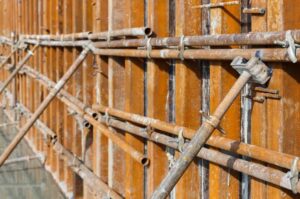
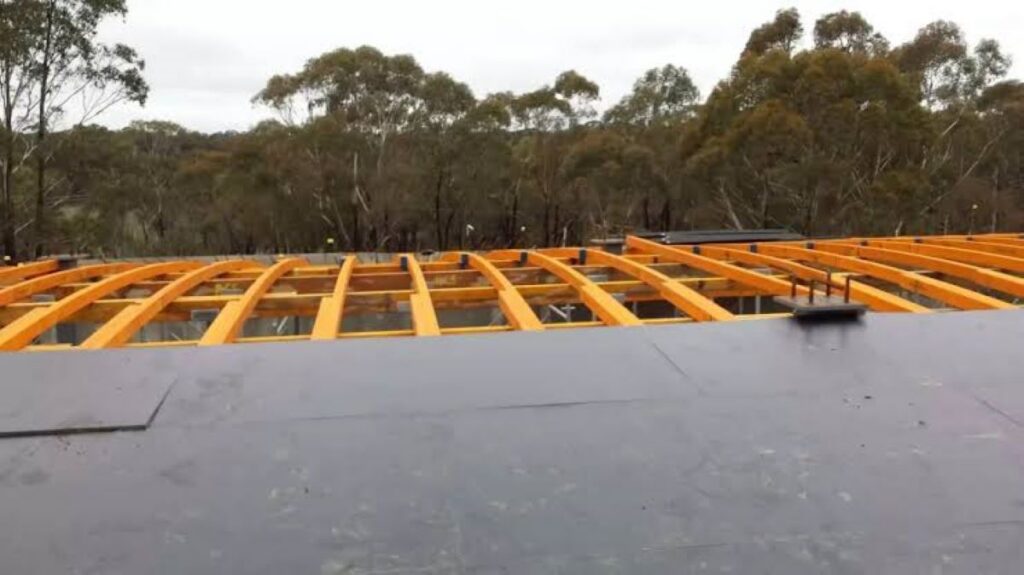
Most commonly, F17 plywood is used for structural flooring, bracing, webs in I-joists, formwork elements, and sometimes built-up beams or box sections. It is also seen in mezzanines, tiny homes, and transportable builds.
In coastal NSW, South East Queensland, and parts of WA, it is popular because it handles demanding sites when the correct bond class and installation method are followed.
How is F17 plywood different from general purpose plywood?
General purpose plywood is often chosen for lining, cabinetry carcasses, or non-structural sheeting. F17 plywood is chosen because it is certified structural material with known design values.
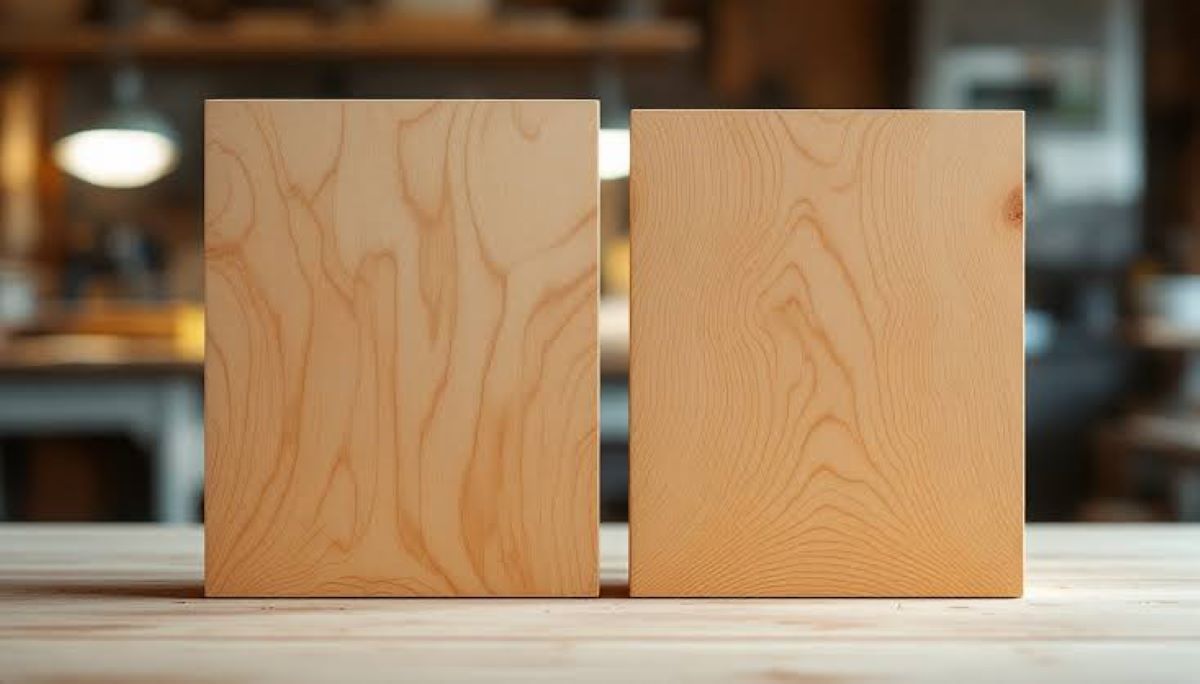
The face might look similar from a distance, which is where mistakes happen. Structural sheets should have grade stamps, manufacturer identification, and standard references. If it is not stamped, they should not assume it is structural.
Is F17 plywood the same as marine plywood?
No. Marine plywood is usually about durability and face quality, made to different expectations around core gaps and veneer quality. F17 plywood is about structural capacity and compliance with structural standards.
They can overlap in the real world, but one does not automatically equal the other. If a project is near salt spray in places like the Mornington Peninsula or Newcastle foreshore, they should specify durability requirements separately from strength.
What sheet thicknesses and sizes are common in Australia?
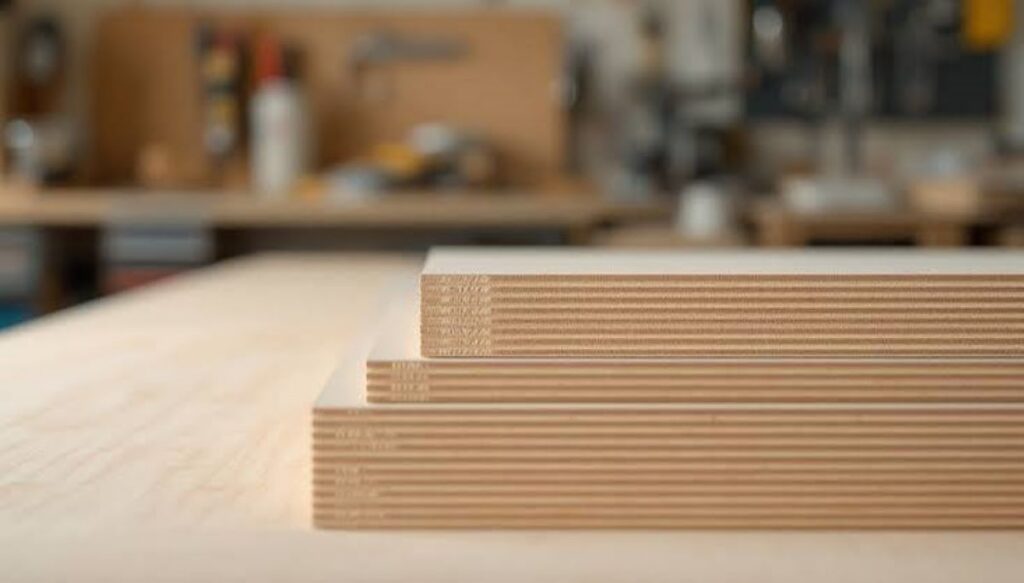
Common sheet sizes are 2400 x 1200 mm, with thicknesses often ranging from 12 mm up to 25 mm depending on the job. For flooring, 15 mm, 17 mm, and 19 mm are frequently discussed, but the right choice depends on joist spacing and load.
With F17 plywood, they should follow the engineer’s notes, then match it to supplier stock. Availability can vary between Brisbane, Sydney, Melbourne, Adelaide, Perth, and regional centres.
How can they check if a sheet is genuinely structural grade?
They should look for the stamp. F17 plywood generally carries markings including the stress grade, bond type, standard reference (often AS NZS 2269), and manufacturer details.
If buying from a timber yard in places like Geelong, Cairns, or Hobart, they can ask for a specification sheet or certificate of compliance. For higher risk builds, some builders keep photos of stamps for records.
Which bond types and exposure ratings matter most?
Bond type matters because it relates to moisture resistance of the glue line, not whether the timber itself is waterproof. In Australian supply chains, they will see terms like A bond, exterior bond, or similar structural classifications.
For F17 plywood used in subfloors or external applications, they should match the exposure conditions to the right product and then seal edges and penetrations as required. Wet areas and weather exposure are not the same thing.
Is F17 plywood suitable for subfloors and flooring systems?
Yes, it is often specified for subfloors because it is stiff and strong when installed correctly. F17 plywood can reduce bounce and improve the feel of a floor, especially with wider joist spacing or heavier finishes.
They still need correct fasteners, adhesive if specified, and proper sheet orientation. Tongue and groove edges, expansion gaps, and ventilation under suspended floors are all part of the outcome.
What installation details usually make or break performance?
Most problems come from moisture and movement, not the sheet “being bad”. For F17 plywood, they should store sheets flat, keep them off wet ground, and avoid leaving them exposed to rain before the building is closed in.
On installation, they should use the specified nail or screw pattern, hit framing members cleanly, and maintain edge gaps. Cutting clean edges and resealing them helps, especially in humid zones like Darwin or the Sunshine Coast.
How does F17 plywood perform in termites, rot, and coastal conditions?
Plywood is not automatically termite proof, and neither is F17 plywood. In termite zones across Queensland, northern NSW, and parts of WA, they should follow AS 3660 requirements, physical barriers, and chemical management as required.
For decay risk, drainage and ventilation matter more than wishful thinking. Coastal builds around Wollongong or Bunbury need careful detailing to limit trapped moisture, plus appropriate coatings where sheets are exposed.
Can F17 plywood be used for furniture or interiors?
It can, but it is not always the most economical choice. F17 plywood may have a utilitarian face grade, meaning patches and grain variation are normal, and it is made for strength rather than looks.
If they want an exposed plywood aesthetic for a fitout in Melbourne or a café in Fremantle, they might choose a higher appearance grade for visible surfaces, while keeping structural sheets where loads are carried.
What should they expect to pay in Australia, and what affects cost?
Pricing shifts with timber supply, freight, and specification. F17 plywood usually costs more than non-structural sheets because of the grading, certification, and manufacturing controls behind it.
Costs also change by thickness, brand, and whether the sheet is sanded, tongue and groove, or treated. Metro areas often have more competition, while regional delivery can add a noticeable margin.
See Also : A Practical Guide to Formply
How do they choose the right product without overbuying?
They should start with the engineer’s notes, then match the exact requirement. F17 plywood is a strength grade, but they still need to confirm thickness, bond class, edge profile, and whether any treatment is required.
If the design only calls for a lower grade, upgrading “just in case” can waste money and complicate supply. The smarter move is to buy the right sheet, then install it properly.
What are the most common mistakes people make with F17 plywood?
The biggest mistake is assuming all plywood is equal. F17 plywood must be verified, installed to spec, and protected from moisture during construction.
Other common issues include wrong fasteners, missing expansion gaps, cutting without sealing edges, and ignoring site drainage under floors. If a builder treats it like cheap sheeting, it will behave like cheap sheeting.
What is the simplest checklist to follow before they buy?
They can keep it basic. Confirm compliance, confirm suitability, then confirm installation requirements.
For F17 plywood, that usually means checking the stamp, ensuring the right bond type for the exposure, selecting the correct thickness for the span, and planning for edge sealing and correct fixing. If any part is unclear, they should ask the engineer or supplier before sheets hit the trailer.
FAQs (Frequently Asked Questions)
What is F17 plywood and why is it important in Australian construction?
F17 plywood is a structural plywood graded to an F-rating indicating its stress grade, with F17 being a higher strength option used in engineered applications. Manufactured and certified to AS NZS 2269 standards in Australia, it offers dependable strength and predictable performance for residential builds, renovations, decks, and subfloors where structural integrity matters.
What does the ‘F17’ rating signify in plywood grading?
The ‘F17’ rating refers to the strength and stiffness of the plywood, not its appearance. It meets an F17 stress grade used by engineers for designing loads and spans. This ensures confidence in applications like floors, bracing, and beams where lower grades might deflect or feel springy.
How does F17 plywood differ from general purpose and marine plywood?
F17 plywood is certified structural material with known design values, suitable for load-bearing applications. In contrast, general purpose plywood is often used for non-structural sheeting like cabinetry. Marine plywood focuses on durability and face quality for moisture resistance but doesn’t necessarily meet the structural standards that F17 plywood does.
Where is F17 plywood commonly used in Australian building projects?
F17 plywood is typically used for structural flooring, bracing, webs in I-joists, formwork elements, built-up beams or box sections. It’s popular in mezzanines, tiny homes, transportable builds, and coastal regions like NSW, South East Queensland, and parts of WA due to its strength and suitability for demanding sites when installed correctly.
What are the common sheet sizes and thicknesses available for F17 plywood in Australia?
Common sheet sizes are 2400 x 1200 mm with thicknesses ranging from 12 mm up to 25 mm depending on the application. For flooring specifically, 15 mm, 17 mm, and 19 mm thicknesses are frequently discussed. The right choice depends on joist spacing, load requirements, engineer’s specifications, and supplier availability across cities like Brisbane, Sydney, Melbourne, Adelaide, Perth, and regional centres.
How can builders verify if a sheet of plywood is genuinely structural grade F17?
Builders should look for grade stamps on the sheet that include the stress grade (F17), bond type, standard reference (usually AS NZS 2269), and manufacturer details. When purchasing from timber yards in locations such as Geelong or Hobart, asking for specification sheets or certificates of compliance helps ensure authenticity. Keeping photos of stamps can also be useful for record-keeping on high-risk builds.